How To Start Strength Training Without Focusing On Weight Loss
BÁ
If you have ever wanted to get stronger but felt turned off by the constant focus on weight loss, you are not alone.
Many people come to strength training because they want to feel better in their body, have more energy, reduce pain, or feel more capable in daily life. But too often, fitness spaces push the message that lifting weights only matters if it changes how your body looks.
There is another way to approach strength training. One that focuses on how you feel, how you function, and how supported your body feels instead of how much you weigh.
This is the foundation of non-diet strength training.
Redefining What Strength Training Is Actually For
Strength training is not just about building muscle. It is about building support for your life.
When we remove weight loss from the center of the conversation, strength training can become a tool for:
• Feeling more stable and confident in your body
• Reducing everyday aches and pains
• Improving mobility and balance
• Supporting mental health
• Increasing energy for daily activities
• Building trust with your body again
Strength is not about shrinking yourself. Strength is about supporting yourself.
Benefits Of Strength Training That Have Nothing To Do With Weight
Some of the most important benefits of strength training have nothing to do with appearance and everything to do with quality of life.
Improved mental health
Strength training can help regulate stress and improve mood by supporting nervous system regulation. Many people notice they feel calmer and more grounded after consistent training.
Everyday strength
Carrying groceries. Climbing stairs. Getting up from the floor. Strength training supports the movements that make daily life easier.
Injury resilience
Building strength can help protect joints and improve stability, which may reduce risk of injury and help people feel safer moving their bodies.
Confidence that is not based on appearance
Instead of chasing body changes, many people begin to notice:
• I feel more capable
• I feel more stable
• I feel stronger than I was last month
• I trust my body more
That kind of confidence tends to last longer than appearance based motivation.
How To Set Strength Goals Without Using Weight Loss
If you remove weight loss as the goal, what do you focus on?
You can start with goals like:
• Feeling stronger getting up from a chair
• Being able to carry heavier groceries comfortably
• Improving balance
• Reducing back, hip, or shoulder discomfort
• Increasing energy throughout the day
• Feeling more comfortable in a gym or movement space
• Staying consistent with movement for 3 months
These are real progress markers. And they tend to be more sustainable.
How To Start Strength Training As A Beginner
If you are new to strength training, start simple. You do not need complicated programs to begin.
Focus on learning foundational movement patterns:
Lower body
• Squats to a chair
• Step ups
• Supported lunges
Upper body
• Dumbbell presses
• Rows
• Assisted pushups
Core
• Bridges
• Dead bugs
• Supported planks
Start with 2–3 sessions per week. Consistency matters more than intensity.

The Most Important Rule: Start Where You Are
One of the biggest mistakes people make is trying to start where they think they should be instead of where they actually are.
Sustainable strength training usually looks like:
• Starting lighter than you think you need
• Leaving a little energy in the tank
• Focusing on good form
• Taking rest days seriously
• Progressing slowly
Slow progress is still progress. And it is usually what lasts.
Recovery Is Part Of Strength Building
Rest is not a setback. It is part of the process.
Muscles do not get stronger during workouts. They get stronger during recovery.
Support your recovery with:
• Adequate sleep
• Hydration
• Gentle mobility work
• Walking
• Rest days without guilt
Rest is not laziness. Rest is training support.

Listening To Your Body Instead Of Fighting It
Many people were taught to ignore pain, push through exhaustion, or treat discomfort as weakness. That mindset often leads to burnout or injury.
A non-diet strength approach encourages:
• Adjusting exercises when needed
• Taking breaks without shame
• Respecting pain signals
• Working with your nervous system instead of against it
Your body is not a problem to fix. It is a system to support.
What Strength Progress Actually Looks Like
Progress may look like:
• Needing fewer rest breaks
• Feeling more stable
• Recovering faster
• Feeling less intimidated by movement
• Having more energy after workouts instead of exhaustion
• Feeling more connected to your body
These changes matter. Even if the scale never changes.
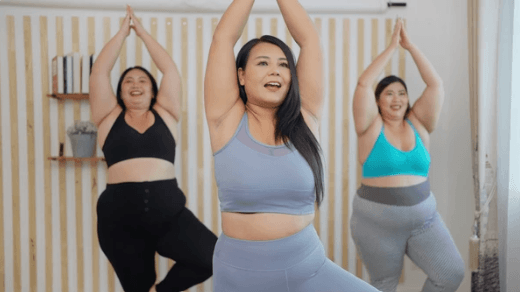
You Are Allowed To Train Without Trying To Change Your Body
You are allowed to pursue strength because you want support, not because you want to shrink.
You are allowed to:
• Train for capacity
• Train for longevity
• Train for mental health
• Train for resilience
• Train because it feels good
Movement does not have to come from dissatisfaction. It can come from care.
If You Want Support Getting Started
If you have struggled to stay consistent with fitness because of diet culture pressure, you are not the problem. Many programs simply were not built with safety, sustainability, or real life in mind.
Non-Diet Personal Training focuses on:
• Strength without weight loss pressure
• Trauma informed coaching
• Weight inclusive fitness
• Sustainable movement habits
• Building trust with your body
If you are curious what strength training could look like without judgment or pressure, you can learn more here:
Book your complimentary consultation:
Consultation Link
You deserve support that helps you feel stronger, not smaller.
In Liberation,
Ángel
Founder, Non Diet Personal Training