How to Start Working Out Again After Injury — Without Diet Culture or Shame
BÁ
Returning to movement after an injury can feel overwhelming — especially if the last time you exercised, you were in pain, felt discouraged, or experienced pressure to “push through it.”
For many people, injuries become the moment they stop exercising altogether. And not because they’re unmotivated — but because they were never given supportive, safe, non-judgmental guidance on how to begin again.
If you’re considering getting back into movement after hurting your knee, shoulder, back, or any part of your body, I want you to know this:
There is nothing wrong with taking your time. There is nothing wrong with starting slow. And there is absolutely nothing wrong with needing support.
This is exactly where trauma-informed, non-diet personal training can make all the difference.
Why Injuries Make Movement Feel Scary
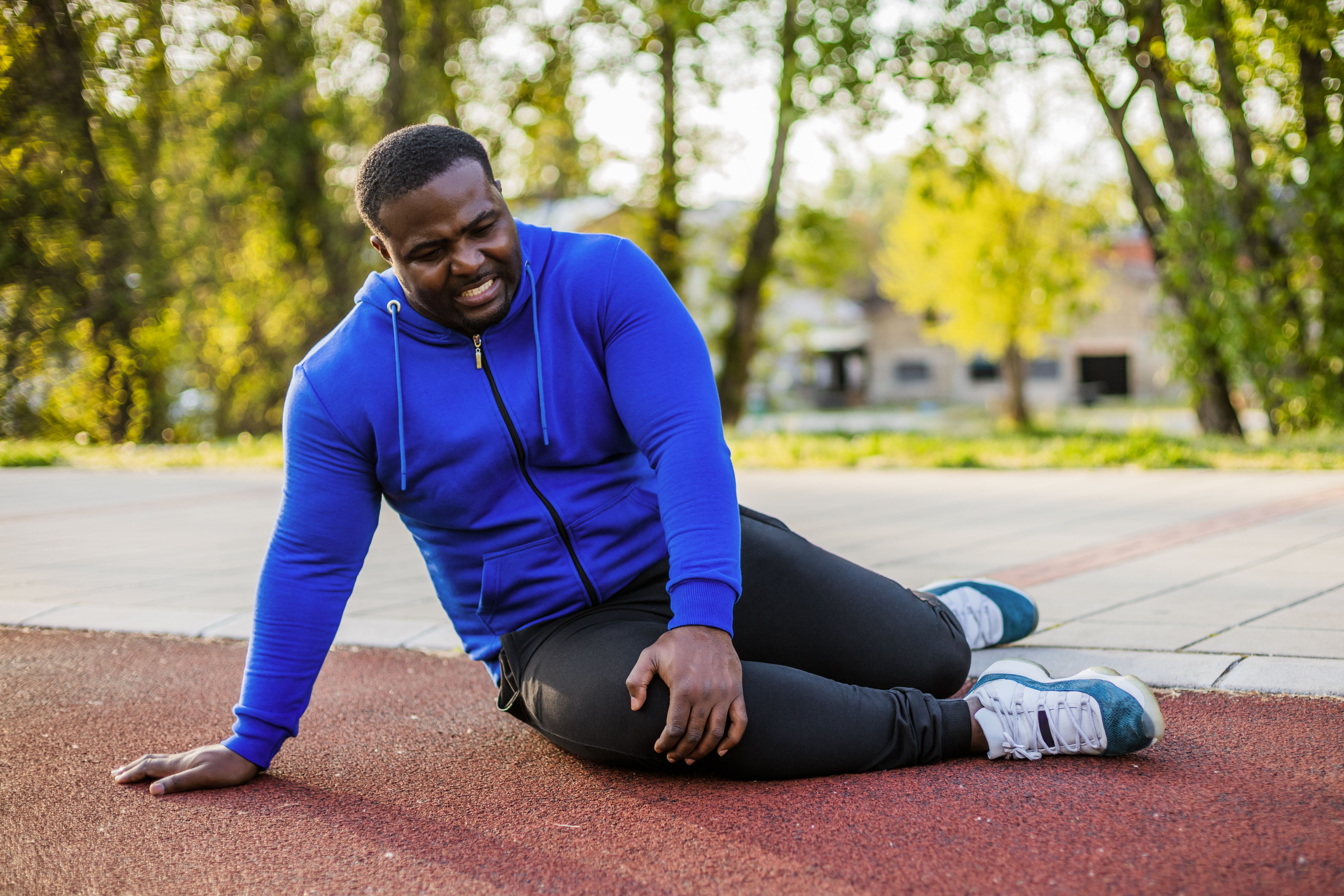
When you’ve been injured, your body remembers the pain — and so does your nervous system.
Common thoughts show up:
- “What if I make it worse?”
- “What if I can’t do what I used to?”
- “What if I embarrass myself?”
- “What if it hurts again?”
- “What if the trainer pushes me too hard?”
If you’ve ever been shamed at a gym, judged for your weight, or ignored when you said you were in pain, these fears aren’t irrational — they’re protective.
A non-diet, trauma-informed approach meets you where you are today… not where diet culture thinks you should be.
The Non-Diet Difference: Safety First, Always
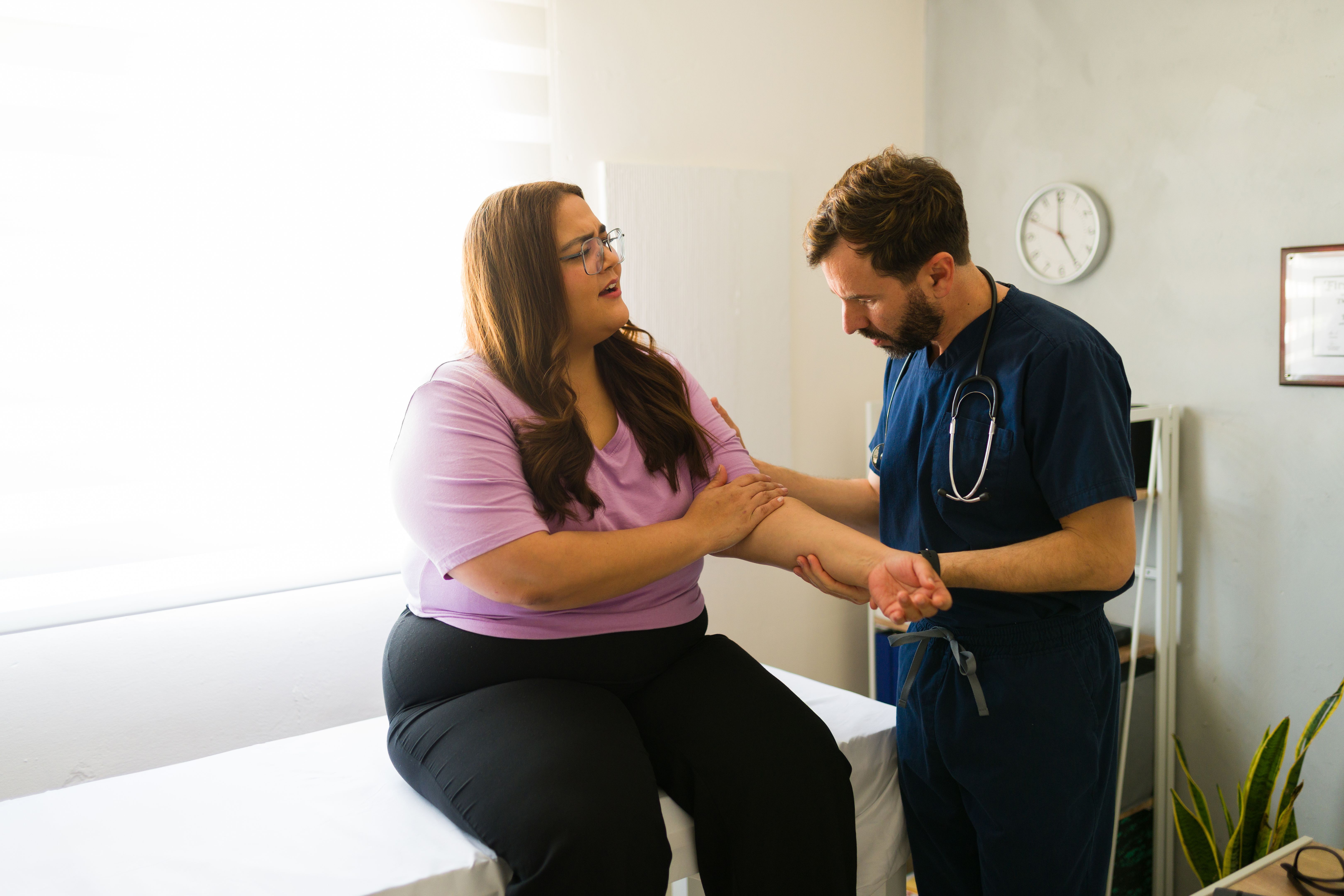
When you train in a weight-inclusive, trauma-informed space, the focus isn’t on weight loss, hitting numbers, or forcing intensity.
The focus is on:
✨ Safety
✨ Pain reduction
✨ Nervous system regulation
✨ Joint stability
✨ Strength that feels good
✨ Movement you can trust again
We rebuild strength at a pace that honors your body — not the fitness industry’s timeline.

How to Start Working Out Again After an Injury
Here are supportive steps to help you reconnect with movement gently and confidently:
1. Begin with mobility, not intensity
Gentle mobility restores range of motion, reduces stiffness, and prepares your joints without strain.
2. Strengthen the muscles that support the injured area
This is where a trainer becomes valuable. We build stability around the shoulder, knee, or hip so your body feels supported.
3. Listen to your pain signals — they are information, not failure
We avoid sharp pain entirely.
We welcome feedback.
We don’t push through.
We adjust.
4. Focus on form and control, not speed
When you're healing, slow movement is powerful movement.
5. Prioritize nervous system safety
When your body feels safe, it allows strength to build.
No yelling, no pushing, no pressure — just supportive coaching.
6. Celebrate your body for what it can do today
Even if it feels small, it matters.
You Don’t Need to “Get Back to Who You Were
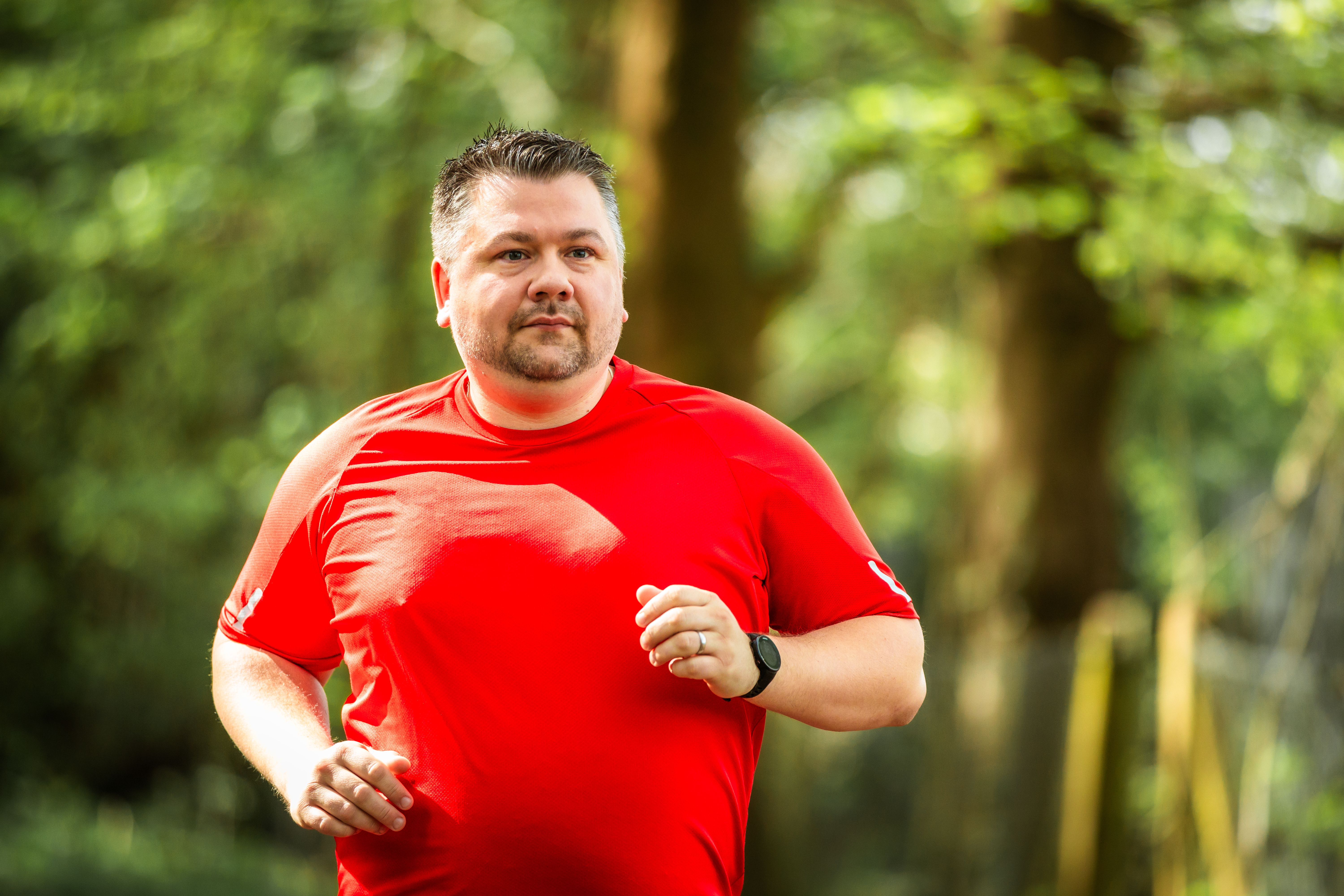
Diet culture tells you to return to your “old self.”
But your body is not a before-and-after photo.
You don’t need to earn your worth through perfect workouts, intense routines, or pushing through pain.
You deserve movement that:
💛 Honors your healing
💛 Supports your confidence
💛 Reduces pain
💛 Builds strength without shame
💛 Helps you trust your body again
This is the heart of non-diet personal training.
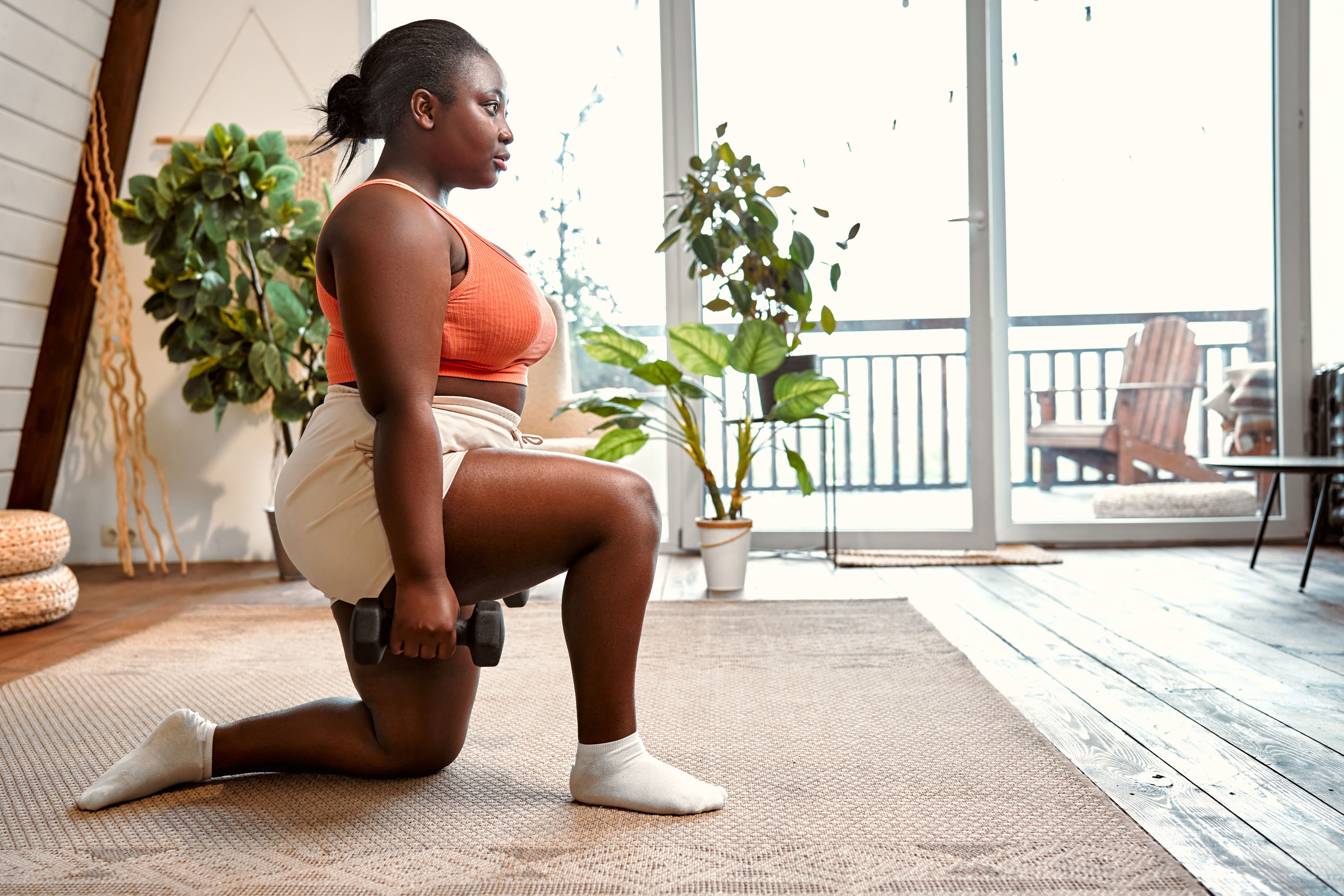
If You’re Ready to Move Again, You Don’t Have to Do It Alone
Whether you’ve been away from fitness for months or years, there is a safe and compassionate way to return — one rooted in trauma-informed care, body autonomy, and sustainable strength.
You can schedule a complimentary session anytime to explore what this could look like for you.
Your body has carried you through so much.
It deserves movement that feels safe, supportive, and freeing.